Decorated Manzanita Tree Branches

Contact US Today

The Sage Point of View
PO Box 784
Forest Ranch, 95942

Phone: +1 530 3432804

E-mail: sagepov@sagepointofview.com

Manzanita Trees

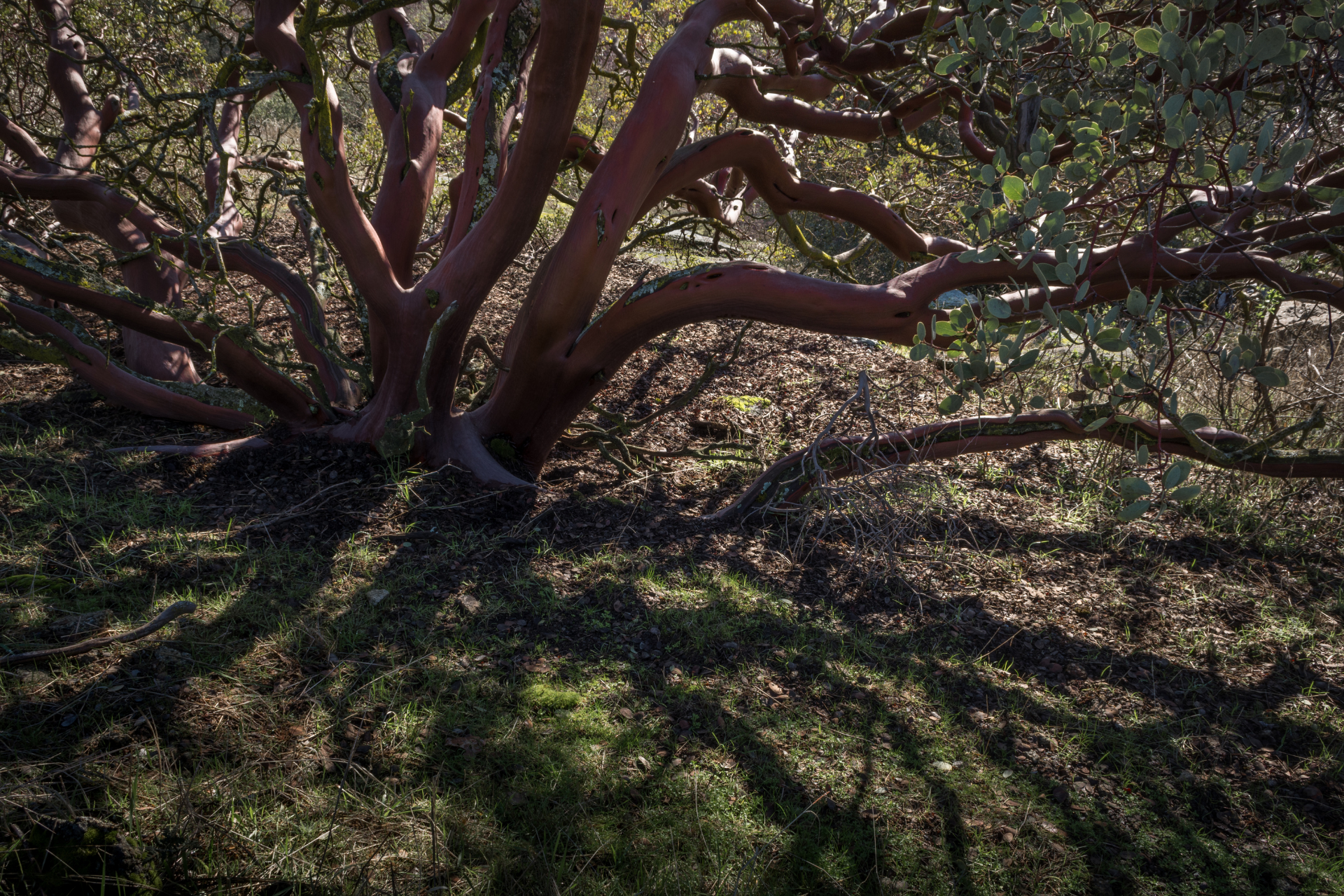
In your garden, manzanitas require relatively little maintenance. The majority of Manzanitas can withstand drought conditions; however, they won't tolerate standing water. Water new plants throughout their first year in your garden, but as they get established, cut back to once a month or less. The soil must have good drainage and be neutral or acidic, not alkaline. Manzanitas thrive in the sun, though some varieties may tolerate some shade.

Call For More Info

Easy To Maintain

Planting them apart from other plants and giving room for their mature growth will allow for good air circulation. Manzanitas dislike rich soil, therefore don't fertilize.
Get More Info
Manzanita Trees

Order Your Decorated

Manzanita Branches Today

4 Varieties to Choose from: 

  • Small Branches
  • Medium Branches
  • Large Branches 
  • Extra Large Branches (large enough to go on hotel ceilings)


Manzanita tree branch pieces with decoration and lights are also available

Learn More

Fertilizer and Water

A typical manzanita doesn't require fertilizer. It is a native plant that has adapted to survive in unfavorable soil without the use of fertilizers. When something is fertilized, it grows quickly and becomes more susceptible to disease. It favors naturally occurring, well-drained soil. Avoid growing common manzanita in shade or soil that is too wet. In the heat, avoid often watering it. If the soil drains well, water it occasionally.
Call Us Today
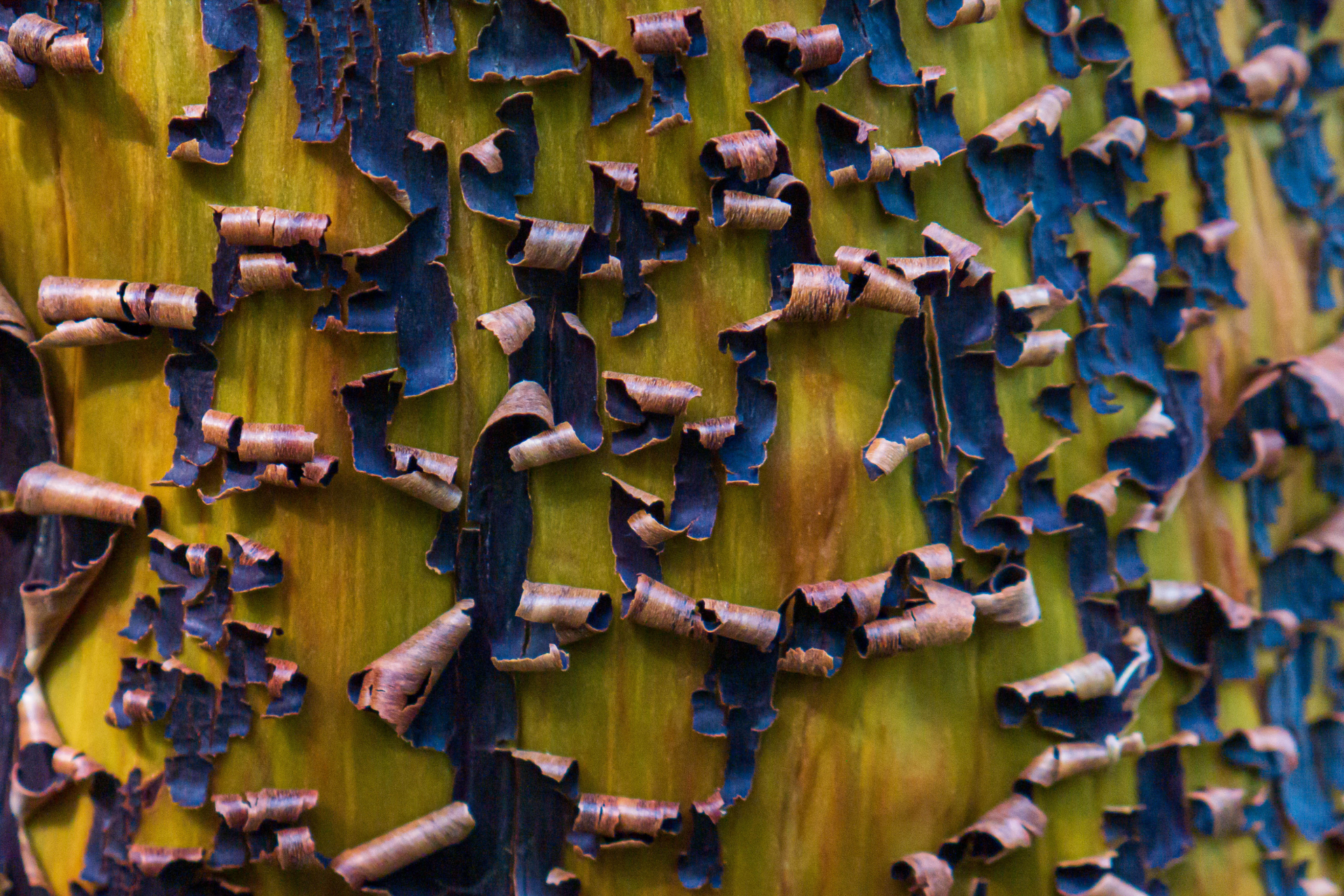
tree bark

Mission Statement

To Love God,

To live in humble gratitude, acknowledging, utilizing

and sharing the gifts that he has given.

Give to the Mission

Contact Us

Contact Us

Send us a message or give us a call, and we will get back in touch with you as soon as we can!

The Sage Point of View
PO Box 784
Forest Ranch, CA 95942

VOICES OF MERCY OUTREACH MINISTRIES, INC.

"Changing our cities from the inside out"


From inner-city ministry to a home for men and women who struggle with substance abuse, Voices of Mercy is working hard to "Reach the Lost at any cost" because they know that PEOPLE LAST FOREVER!

Give Support

Frequently Asked Questions

  • What do I plant manzanita trees?

    Plant common manzanita seedlings 6 to 15 feet apart in open areas, 8 to 10 feet away from one-story buildings' sides, and 6 to 8 feet away from their corners. Place them where they won't have to contend with other plants for space. By placing them in an open area, you may also avoid the fungi that thrive in the stagnant air and attack their leaves.

  • Any tips on planting young manzanitas?

    A common manzanita seedling should be planted in a hole that is twice as wide and not quite as deep as the root ball. Use a pick or shovel to roughen the bottom and edges of the hole so that root tips can more easily pierce the local soil. Make sure there are no curling roots as you slide the root ball into the hole. Make sure the dirt is firm and free of air pockets by pressing down with your heel or the back of your shovel. The root ball's top should be 1/2 to 1 inch above the surface of the earth. Remove the stake if it was included with the seedling. Give the tree plenty of water, and keep doing so for a month. heavy downpour Fungal illnesses can be brought on by splattering mud on the leaves of the lowest branches. Put a coarse mulch of bark or chipped wood at the base of newly planted seedlings to prevent that.


  • How do I prune my manzanita?

    Prune the tops of common manzanita branches in late winter, before the new spring growth has started, to increase the density of the interior. To highlight the smooth, sculptural inner branches, cut older branches that are dropping bark and eliminate lower branches throughout the winter. Additionally, removing the lower branches will improve air flow. Before using your pruning tools, clean them by soaking them in a solution of one part rubbing alcohol and one part water for five minutes. Allow the pruners to dry naturally or cleanly rinse them.